How Activist Streetwear Turned Fashion Into a Protest Tool
There is a moment when a T-shirt stops being just fabric and becomes a statement. I remember the first time I saw a friend wearing a shirt that said "I Can't Breathe" months before the protests hit the news. It was not a fashion choice in the usual sense. It was a declaration, a piece of armor for conversations that were hard to start. That shirt, and the many like it, sits at the intersection of style and resistance: this is the world of activist streetwear.
For years, the idea of political clothing felt like a niche thing, something you might find at a punk show or a community zine fair. But the past decade has changed that. What started as hand-painted slogans at marches has grown into a full-fledged category that blends graphic design, satire, and civil disobedience into something you can wear to a coffee shop or a city council meeting. The rise of this movement owes a lot to the people who understood that clothes are a medium for a message, not just a cover for the body.
The Roots of Wearing Your Politics
To understand activist streetwear, you have to look back at the people who made the connection between cloth and cause. Shepard Fairey, the artist behind the Obey Clothing line, was one of the early figures to blur the line between street art and commercial apparel. His Andre the Giant sticker campaign turned into a global brand, but it was never just about selling shirts. It was about spreading a visual idea, a kind of propaganda for the people. Fairey's work showed that a simple graphic could carry weight, and that wearing it was a form of participation.
Around the same time, groups like the Guerrilla Girls were using bold graphics and humor to call out inequality in the art world. They never sold T-shirts in the same way, but their approach to using design as a weapon influenced a generation of artists and activists who saw that a well-made political cartoon on a shirt could reach someone who would never read a pamphlet. The medium mattered less than the message, and the medium of clothing had the advantage of being mobile, visible, and personal.
The Business of Resistance
Today, activist streetwear is not just a grassroots phenomenon. Big brands have taken notice, and the results are mixed. Patagonia, for example, has built its entire identity around environmental activism, but its high price point means the message is often filtered through privilege. Vans and other mainstream labels have released collections that nod to protest culture, but critics argue that the corporate machine can dilute the urgency of the message. When a company uses the language of revolution to sell sneakers, the line between support and co-optation gets blurry.
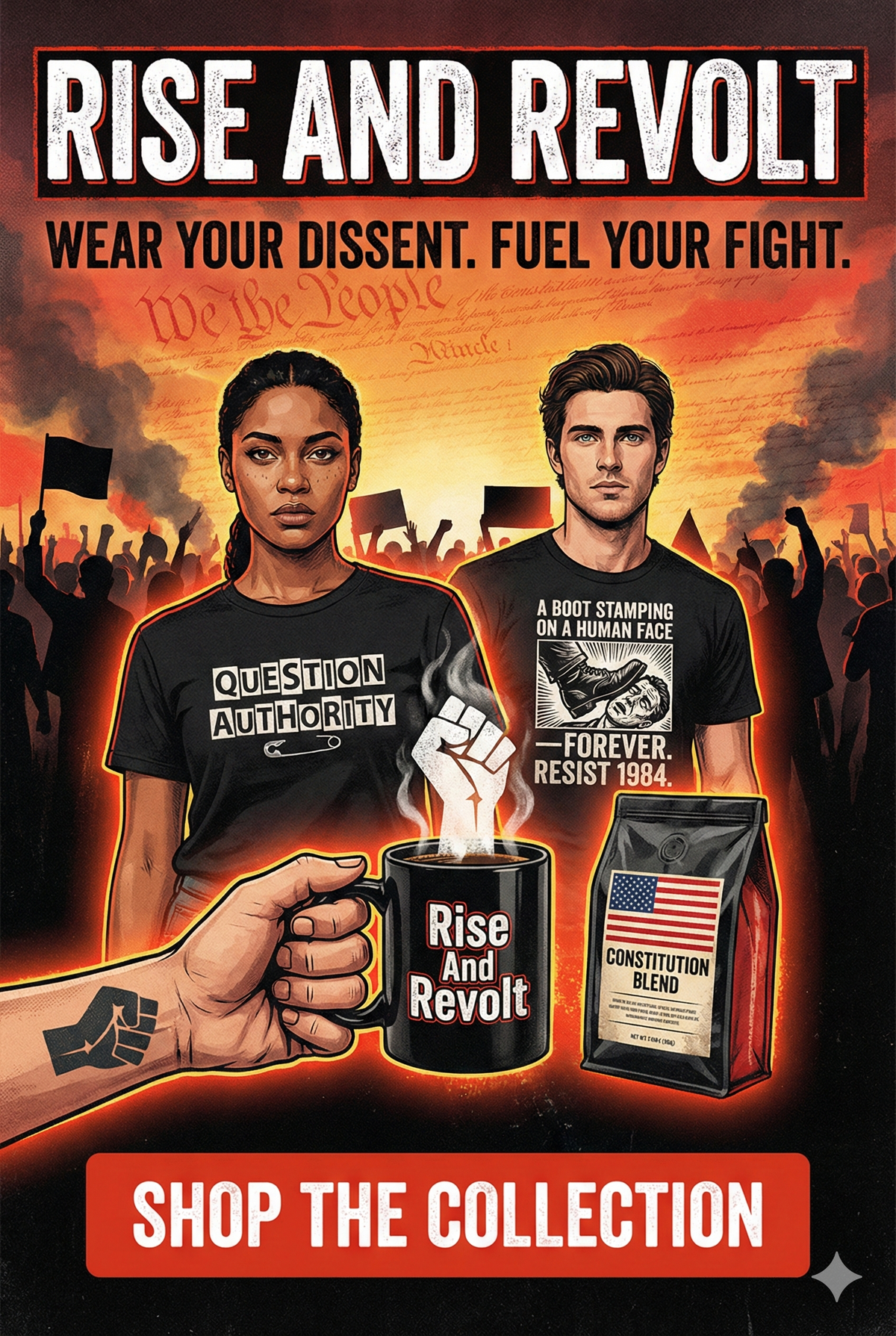
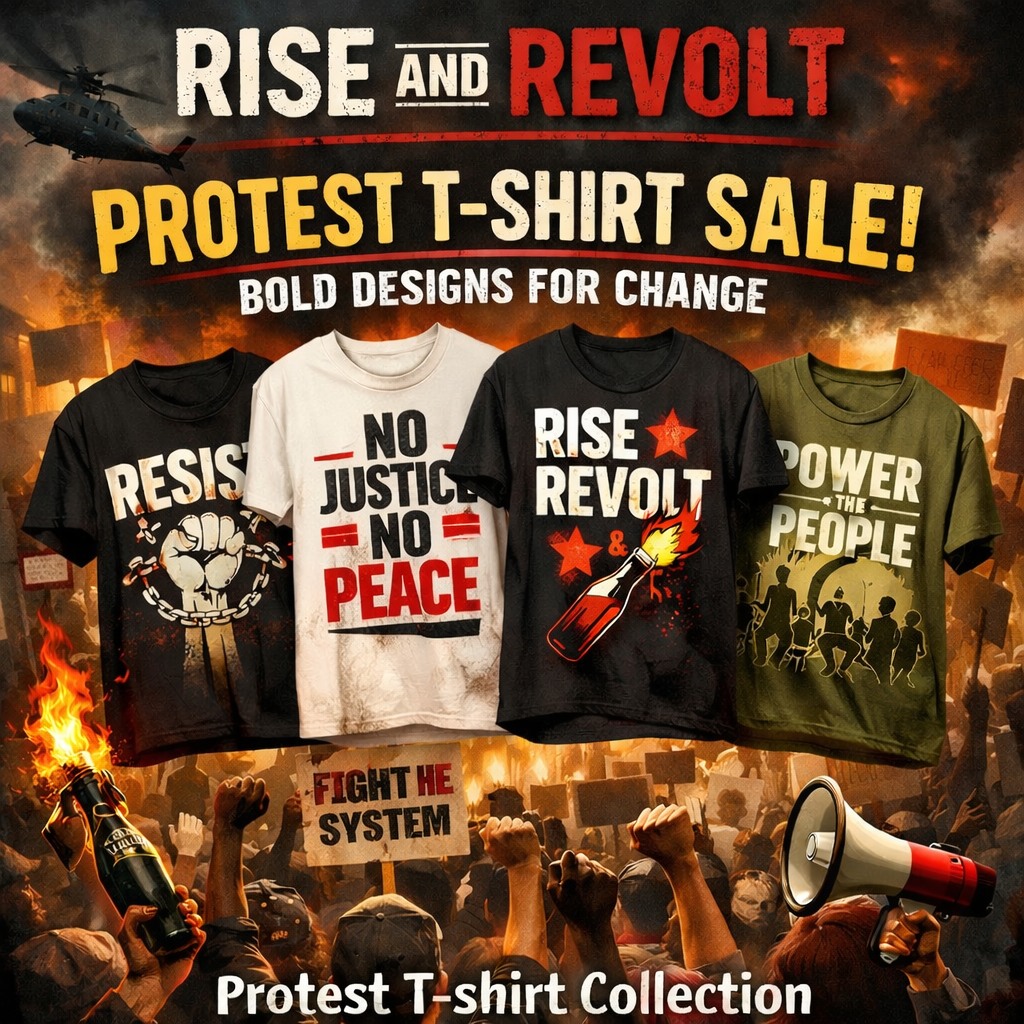
Still, the real energy in this space comes from smaller players and independent designers. Etsy has become a hub for people who print their own protest tees, often in small batches, using screen printing techniques that feel handmade and authentic. The quality of the print and the design matters because the shirt has to hold up through multiple washes and multiple marches. A cheap shirt that fades after one wash undermines the seriousness of the message. That is why many activists prefer to buy from brands that understand both the aesthetic and the ethical side of production. Rise and Revolt, for instance, operates in that space, selling apparel that uses satire to defend democracy and free speech. Their designs are not just slogans; they are tools for starting conversations.
Satire as a Shield
One of the most effective weapons in activist streetwear is satire. The Yes Men, a group of culture jammers, have used fake websites and impersonations to expose corporate hypocrisy, but the spirit of their work lives on in T-shirts that mock power. A clever design can make a point more sharply than a thousand words. It can make people laugh, and then think. That is the power of a good political cartoon printed on a chest. It disarms the viewer and opens the door to a larger critique.
Satire works because it does not preach. It invites the wearer and the observer into a shared joke, and from that common ground, a harder truth can land. Brands like Rise and Revolt understand this. Their designs use humor and irony to take aim at authoritarianism and censorship, making the wearer a walking billboard for civil liberties without being preachy. That balance is hard to strike, and many attempts fall flat. But when it works, the shirt becomes a piece of democratic culture, something you can pass on to a friend or wear to a rally.
The Role of Zine Culture and DIY
Before the internet made everything shareable, political ideas spread through zine culture. Small, photocopied booklets filled with collage, poetry, and anger were passed from hand to hand at record stores and community spaces. That DIY ethos has carried over into activist streetwear. Many of the best designs start as hand-drawn sketches, then get turned into screen prints at a local shop. The process is slow, deliberate, and personal. It is the opposite of fast fashion.
Screen printing itself is a craft that rewards patience. Each color requires a separate screen, and registration has to be perfect. For a designer, seeing their work printed on a shirt for the first time is a rush that never gets old. It is also a way to control the message. When you screen print your own shirts, you do not have to answer to a corporate board. You can respond to an event in days, not weeks. That speed is crucial in a movement that moves at the pace of headlines.
When Fashion Meets Activism
Activist fashion has always had a complicated relationship with the industry it criticizes. On one hand, wearing a statement shirt can feel like a small act of resistance. On the other hand, the fashion system thrives on novelty and consumption. The challenge for designers is to create clothing that is both meaningful and durable, both in message and in material. The best pieces are the ones you keep for years, not the ones you throw away after a season.
There is also the question of who gets to tell these stories. The Black Lives Matter movement, for example, has been both a source of inspiration and a cautionary tale. Many brands rushed to release BLM-themed merchandise after the 2020 protests, but not all of them donated proceeds to the cause or consulted with activists. The public is smarter than that now. People check where their money goes. They want to know if the brand behind the shirt is actually practicing what it preaches. That scrutiny has forced companies to be more transparent, and it has given rise to a more discerning consumer base.
The Future of the Movement
Looking ahead, activist streetwear will likely become even more intertwined with digital culture. QR codes on shirts that link to petitions or donation pages are already appearing. Augmented reality could let a design change when viewed through a phone, adding a layer of interaction to a static image. But the core will remain the same: a good design that speaks truth to power. The medium may evolve, but the need for bold, wearable statements will not go away.
Books like No Logo by Naomi Klein, published by Andrews McMeel, laid the groundwork for understanding how brands consume counterculture. That critical lens is still relevant. As more people become aware of the politics behind their purchases, the demand for authentic, independently produced activist fashion will grow. The challenge for the industry is to stay honest, to resist the temptation to cash in on movements without contributing to them.
In the end, a T-shirt is just a piece of cloth. But when it carries a message of resistance, when it connects the wearer to a larger struggle, it becomes something more. It becomes a tool for civil disobedience, a badge of belonging, and a reminder that freedom of speech is not just a right, it is something you can wear on your sleeve. That is the quiet power of activist streetwear, and it is not going anywhere.